
Are you a small business owner looking to understand the differences between IRS Form 8832 and Form 2553? It can be confusing, but don’t worry, we’re here to break it down for you.
Forming a business entity comes with lots of paperwork, including choosing the right tax classification. Form 8832 is used to elect your business’s classification as a C corporation or partnership, while Form 2553 is specifically for electing S corporation status.
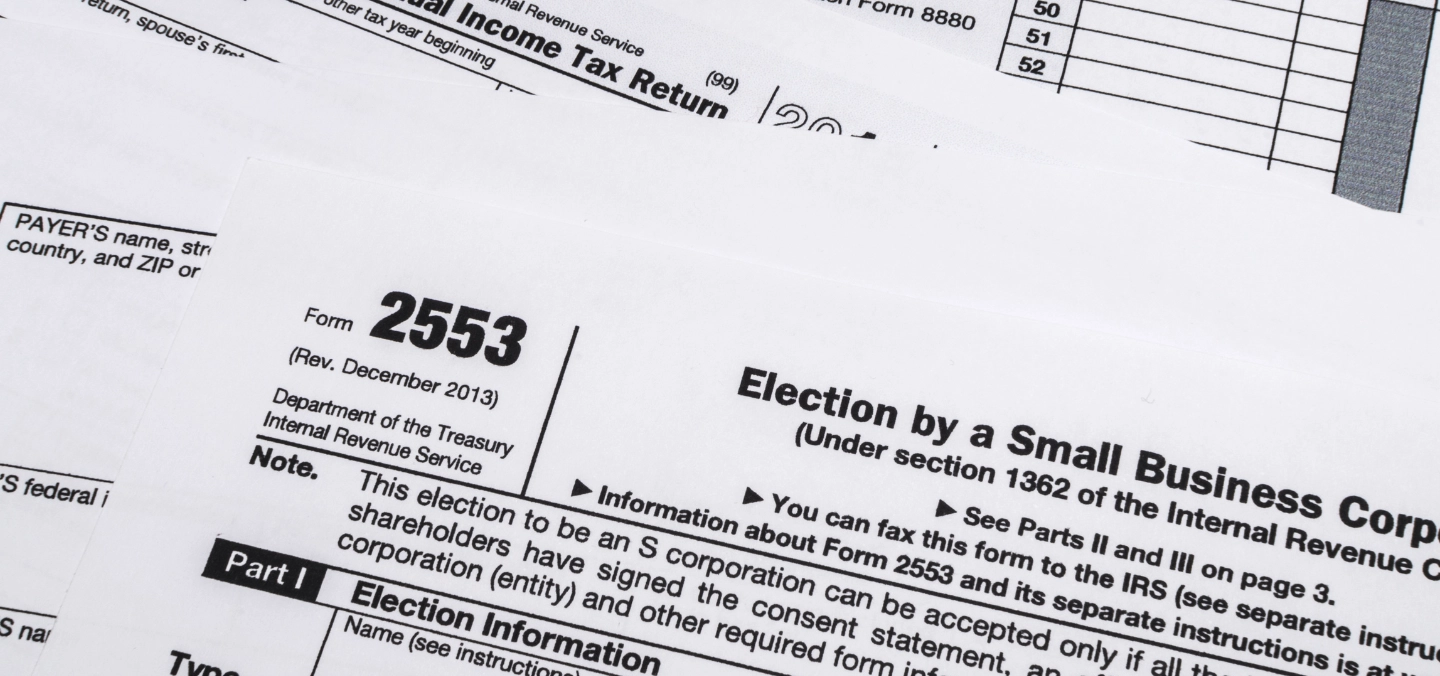
Irs Form 8832 Vs 2553
Irs Form 8832 Vs 2553
When you file Form 8832, you’re choosing to be taxed as a C corporation, which means your business will be taxed separately from you as the owner. This can be beneficial for certain businesses, especially those looking to reinvest profits back into the company.
On the other hand, filing Form 2553 allows your business to be taxed as an S corporation, where profits and losses pass through to the shareholders’ personal tax returns. This can be advantageous for businesses looking to avoid double taxation.
Ultimately, the decision between Form 8832 and Form 2553 depends on your business’s specific needs and goals. Consulting with a tax professional or accountant can help you make the best choice for your unique situation.
Remember, both forms have important implications for how your business is taxed, so it’s essential to understand the differences and choose the option that aligns with your long-term financial strategy.
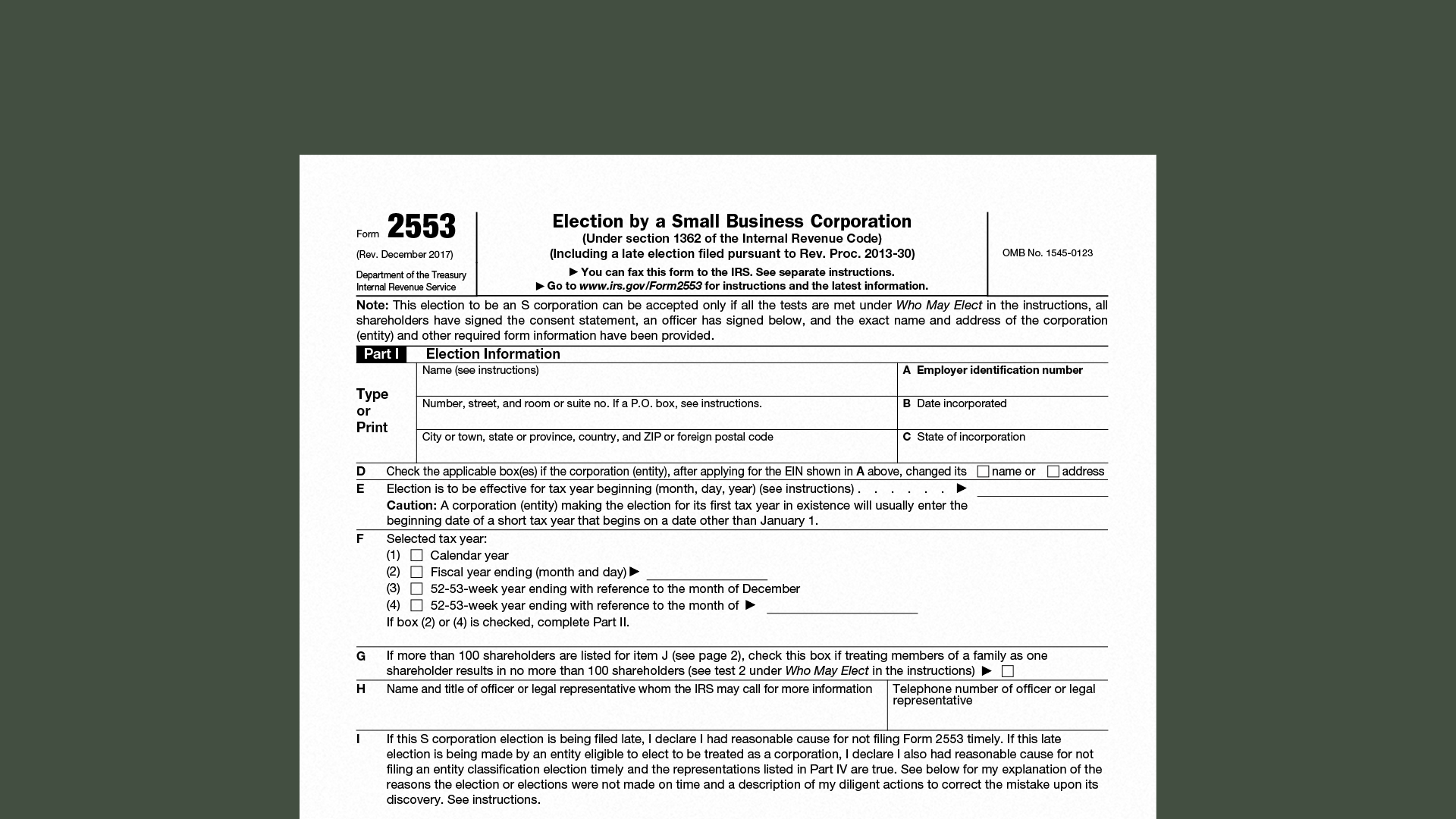
How To Elect S Corp Status With Form 2553 Ambrook
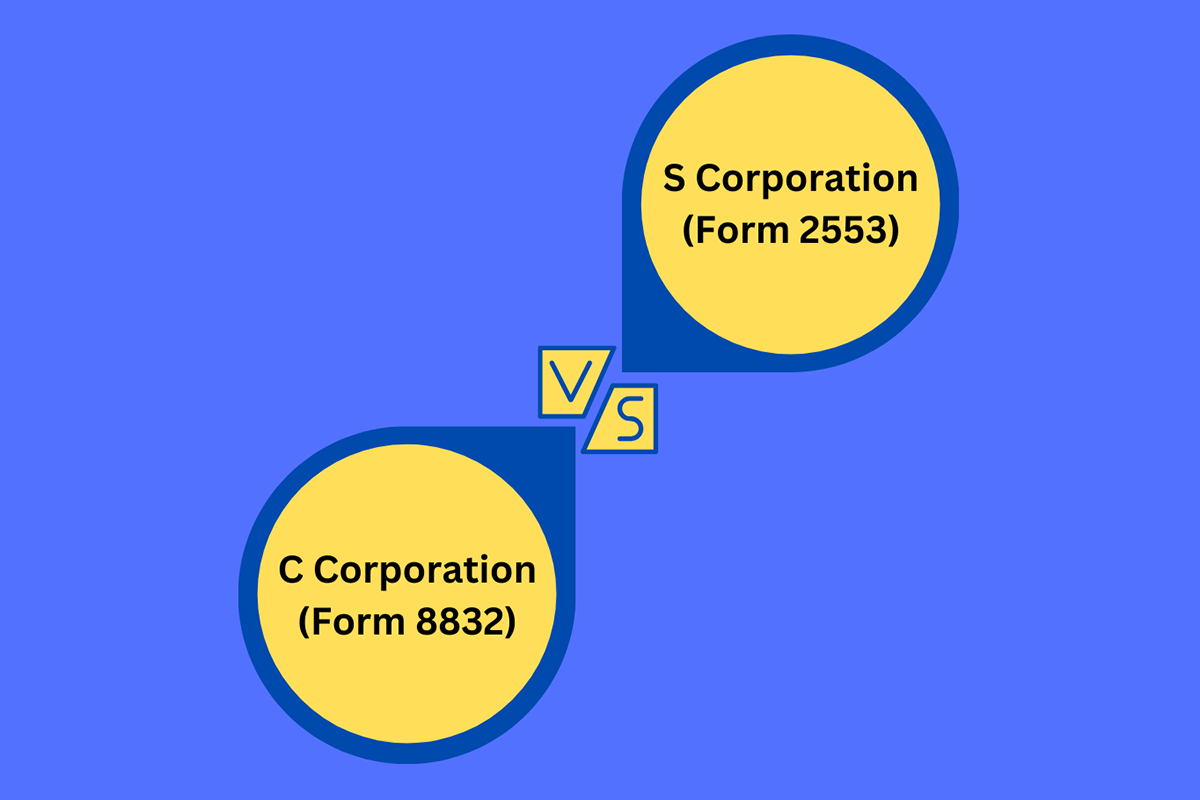
S Corporation Form 2553 Vs C Corporation Form 8832 FormPros
Form 2553 Vs Form 8832 Which One To Choose Business Globalizer