
If you’re a homeowner association member, navigating tax forms can be confusing. One of the key forms you may encounter is the IRS Form Homeowners Association. Understanding this form is crucial for ensuring compliance with tax regulations.
IRS Form Homeowners Association is used by condominiums, cooperatives, and other homeowner associations to report income, expenses, and taxes to the IRS. It provides details on the association’s financial activities throughout the year, including any revenue generated and expenses incurred.
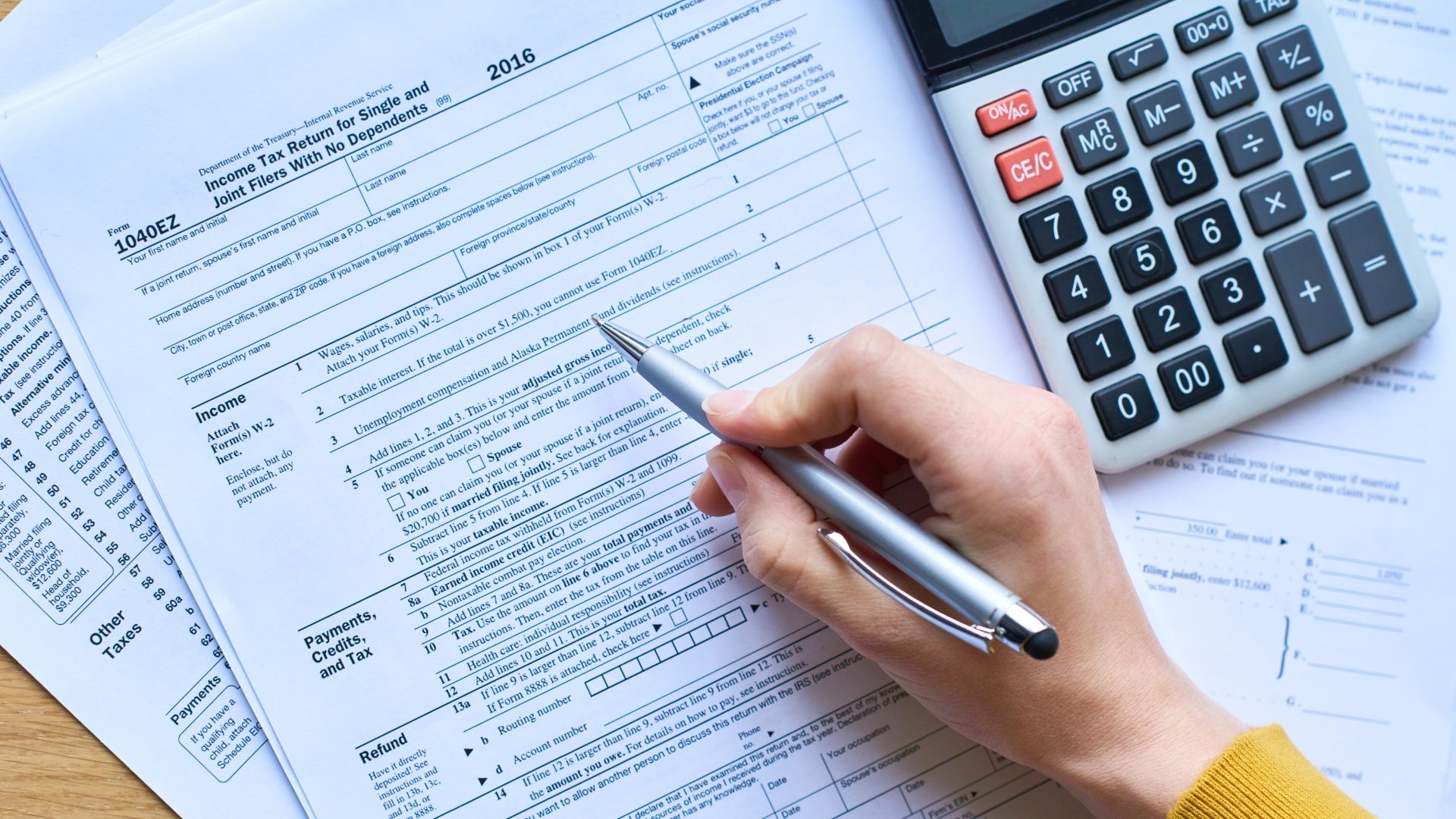
Irs Form Homeowners Association
What to Know About IRS Form Homeowners Association
When filling out IRS Form Homeowners Association, make sure to gather all relevant financial records, including bank statements, invoices, and receipts. It’s essential to accurately report all income sources, such as membership dues, rental income, and investment earnings.
Additionally, be sure to deduct any eligible expenses, such as maintenance costs, utilities, insurance premiums, and property taxes. By carefully documenting these expenses, you can reduce the association’s taxable income and potentially lower its tax liability.
Once you’ve completed IRS Form Homeowners Association, review it thoroughly for accuracy and completeness. Any errors or omissions could lead to penalties or audits by the IRS. Consider seeking professional guidance from a tax advisor or accountant to ensure compliance with tax laws and regulations.
In conclusion, understanding IRS Form Homeowners Association is essential for homeowner associations to fulfill their tax obligations. By following the guidelines and accurately reporting financial information, associations can avoid potential issues and ensure compliance with IRS regulations.

Form 1120 H Example Complete In A Few Simple Steps Infographic
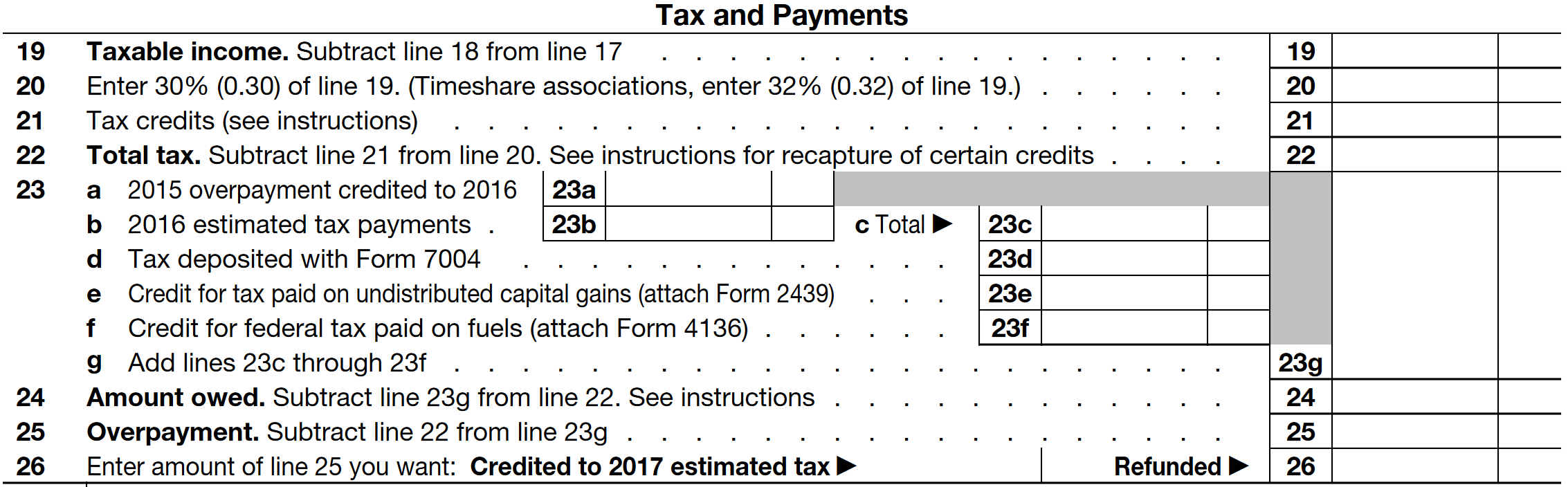
Condo Association Tax Return Filing The Critical Steps Template
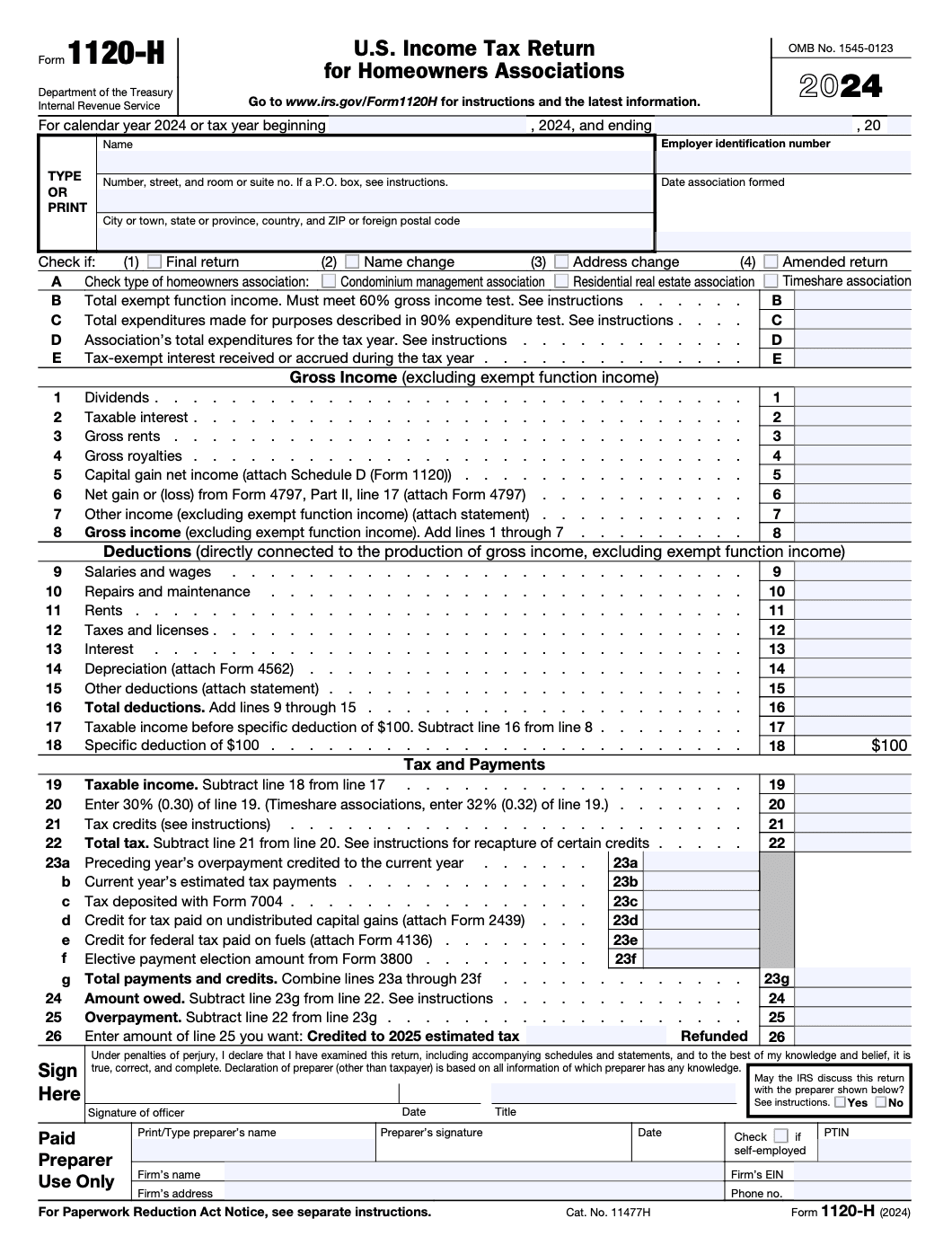
How To File Form 1120 H Guide For Homeowners Associations