
Dealing with IRS form letters can be stressful and confusing, but understanding them is crucial to avoid any potential issues. These letters are typically sent to inform taxpayers of changes, requests for additional information, or to address any discrepancies in their tax returns.
When you receive an IRS form letter, it’s important to read it carefully and take action promptly. Ignoring these letters can lead to penalties, interest, or even legal consequences. Don’t panic – most issues can be resolved with the right information and cooperation.
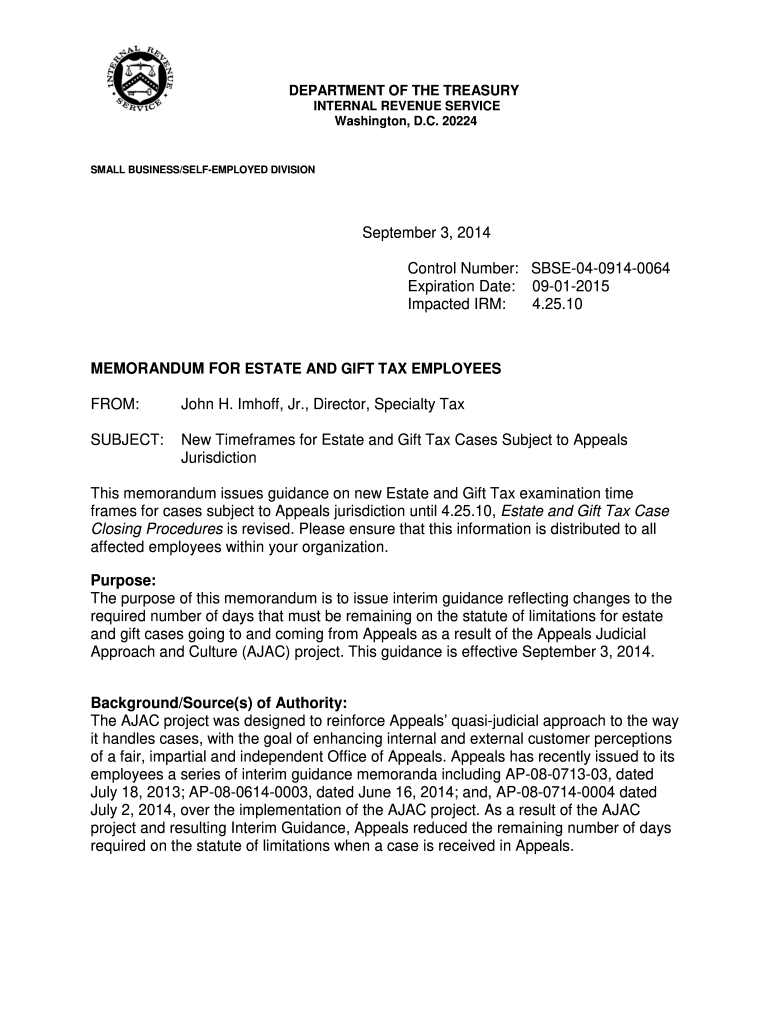
Irs Form Letter
Understanding IRS Form Letter
IRS form letters are usually numbered and contain specific instructions on what you need to do next. They may ask for additional documentation, clarification on certain entries, or notification of changes to your tax account. It’s essential to follow these instructions precisely to avoid any misunderstandings.
If you’re unsure about how to respond to an IRS form letter, don’t hesitate to seek help. You can contact the IRS directly, consult a tax professional, or use online resources to better understand the situation. Remember, it’s better to ask questions and get clarification than to ignore the issue.
In conclusion, receiving an IRS form letter doesn’t have to be a daunting experience. By staying calm, reading the letter carefully, and taking the necessary steps to address it, you can quickly resolve any issues and move forward with peace of mind. Remember, the IRS is there to help you navigate through the process, so don’t hesitate to reach out if you need assistance.
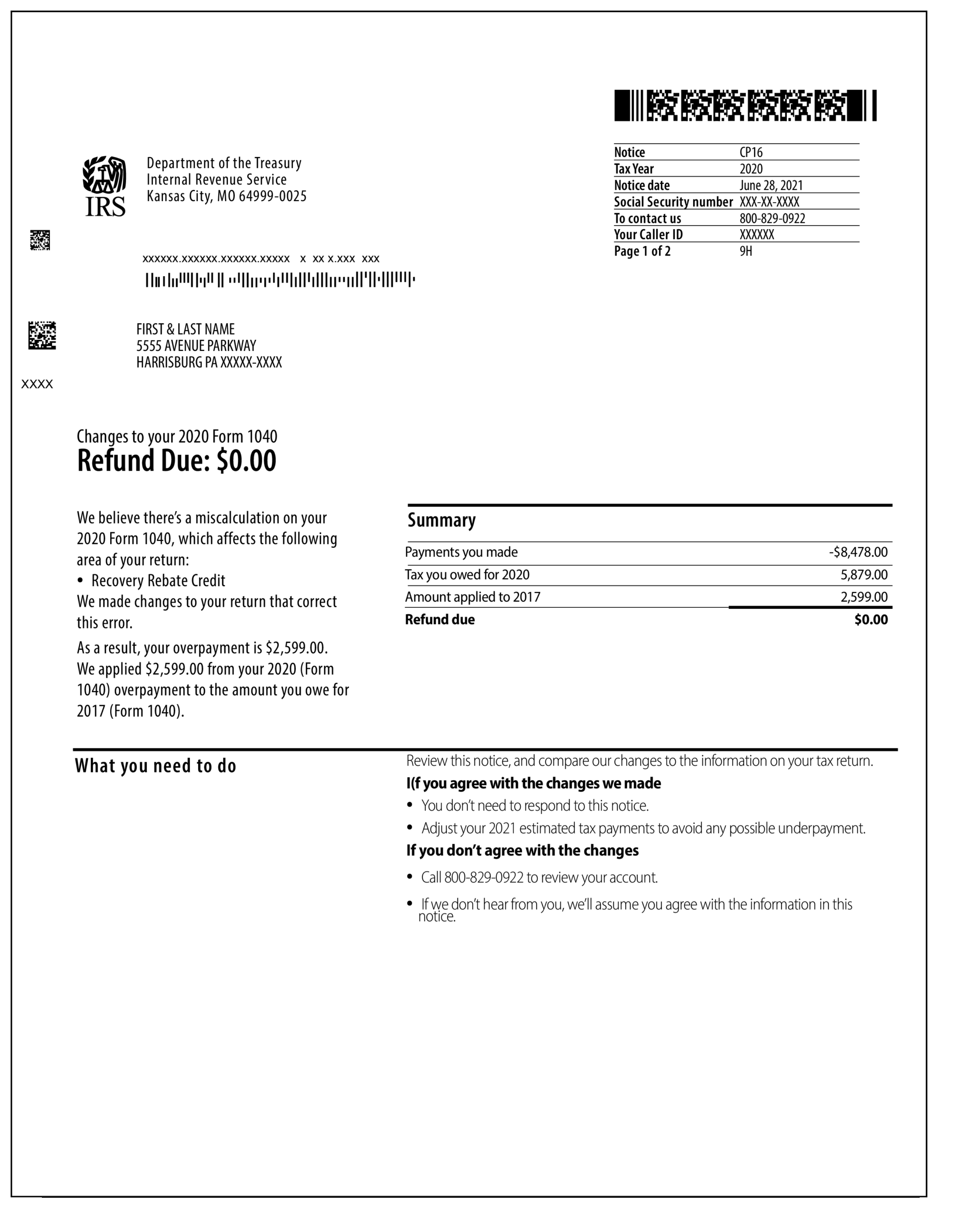
IRS CP16 Letter What To Know About The IRS CP16 Notice
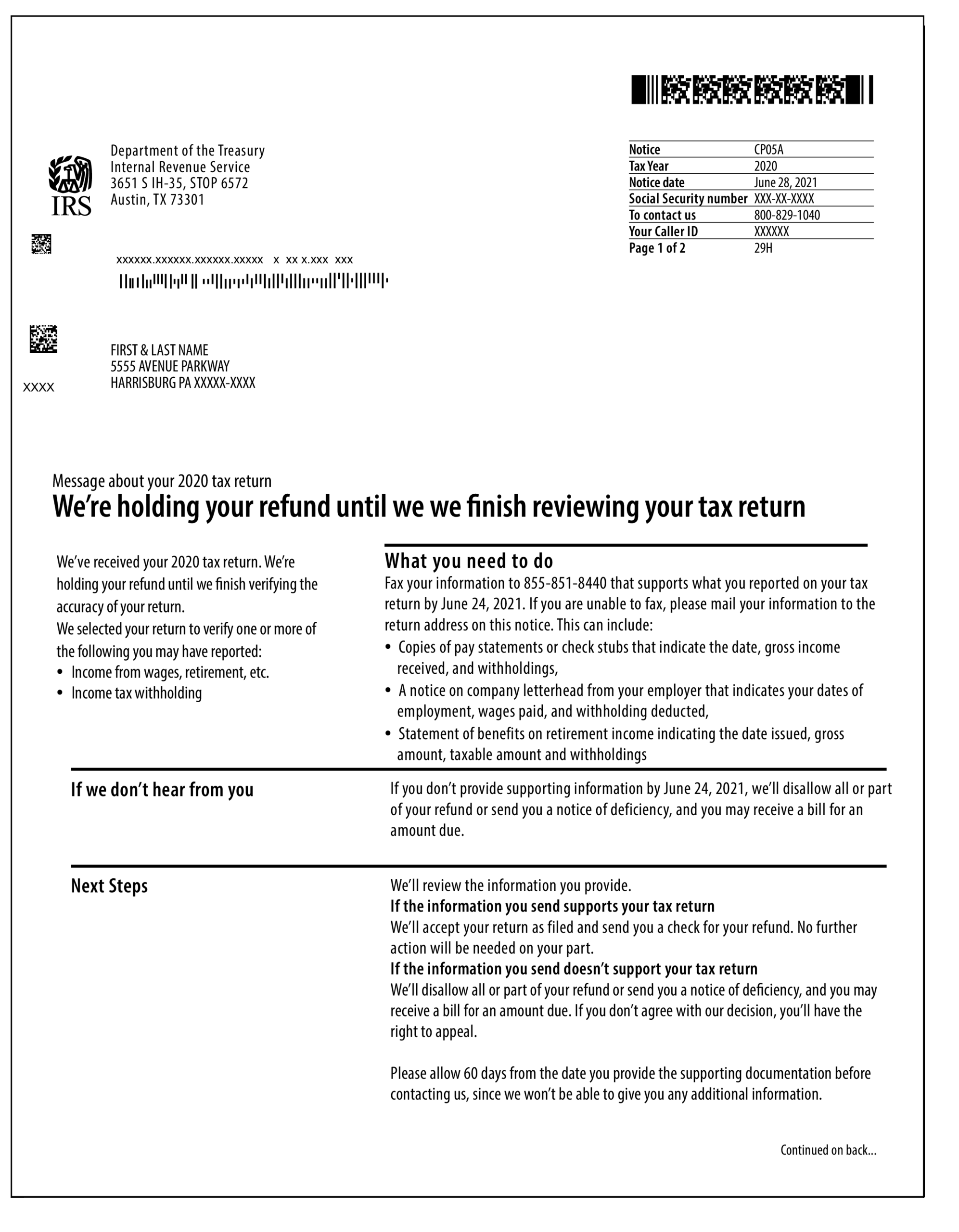
IRS Audit Letter CP05A Sample 1
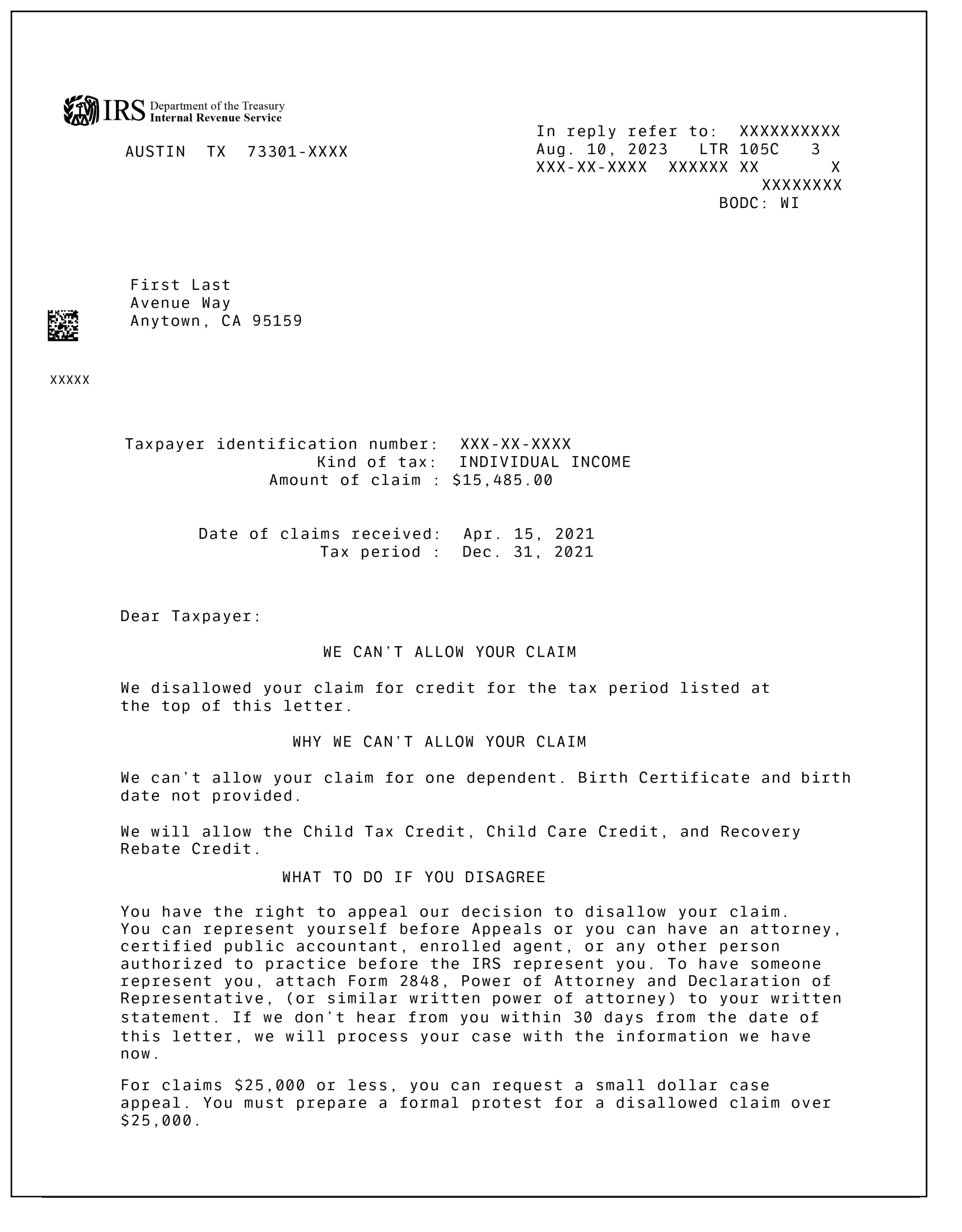
IRS Letter 105C What It Is And How To Appeal